Custom sheet metal boxes: A versatile and durable solution for your needs
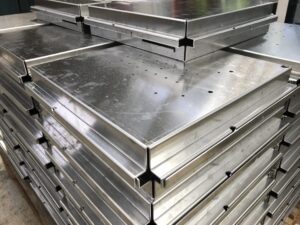
Folded aluminium trays
Sheet metal boxes are a versatile and durable solution for a wide range of applications. They can be used to protect and transport sensitive equipment, store and organize materials, or simply provide a sturdy and secure enclosure for any purpose.
Custom sheet metal boxes can be made to any size, shape, or specification, and can be manufactured from a variety of materials, including aluminum, stainless steel, and mild steel. This makes them ideal for a wide range of industries, including lighting, heating, electronics, audio, healthcare, and pumping.
Here are some of the benefits of using custom sheet metal boxes:
• Durability: Sheet metal boxes are strong and durable, and can withstand even the most demanding environments. With the correct choice of materials and treatment they can also be resistant to corrosion, rust, and other forms of damage.
• Versatility: Sheet metal boxes can be custom-made to meet any specific need. This includes size, shape, features and material. This makes them ideal for a wide range of applications. V and F Sheet Metal have a great range of in-house facilities to cut and shape sheet metal work.
• Security: Sheet metal boxes can be designed to be tamper-proof and waterproof, making them ideal for storing sensitive items.
• Aesthetics: Sheet metal boxes can be finished with a variety of coatings and finishes to give them a professional and polished look. This makes them ideal for use in retail, hospitality, and other customer-facing environments. The design and finish are down to your design, but we will always help guide you where we can.
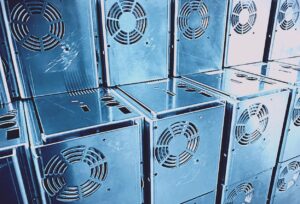
Sheet metal fabrications
If you are looking for a durable, versatile, and secure solution for your needs, then custom sheet metal boxes are a great option. Here are a few examples of how they can be used:
• Electronics: Sheet metal boxes are commonly used to protect electronic components and assemblies. They can also be used to house control panels, displays, and other electronic devices. Often sheet metal work is a cost-effective option if the volumes don’t justify full tooling. So, batches of 10s to 1000s are perfect for sheet metal working methods.
• Lighting: Sheet metal boxes are used in a variety of lighting applications, such as enclosures for control gear, fibre optic LED housings and flood light bodies.
• Heating: Sheet metal boxes are used in the heating industry to enclose heating elements, secure fan blower units and custom enclosures to suit installations.
• Food service: Sheet metal boxes are used in the food service industry to store and transport food and beverages. They are also used to house ovens, refrigerators, and other food preparation equipment.
For more examples of custom sheet metal boxes please take a look at our Pinterest Boards for examples of hundreds of past sheet metal projects.
If you are interested in learning more about custom sheet metal boxes, or if you have a specific project in mind, please contact us, look further at our website of send us your drawings. We are here to help if we can.